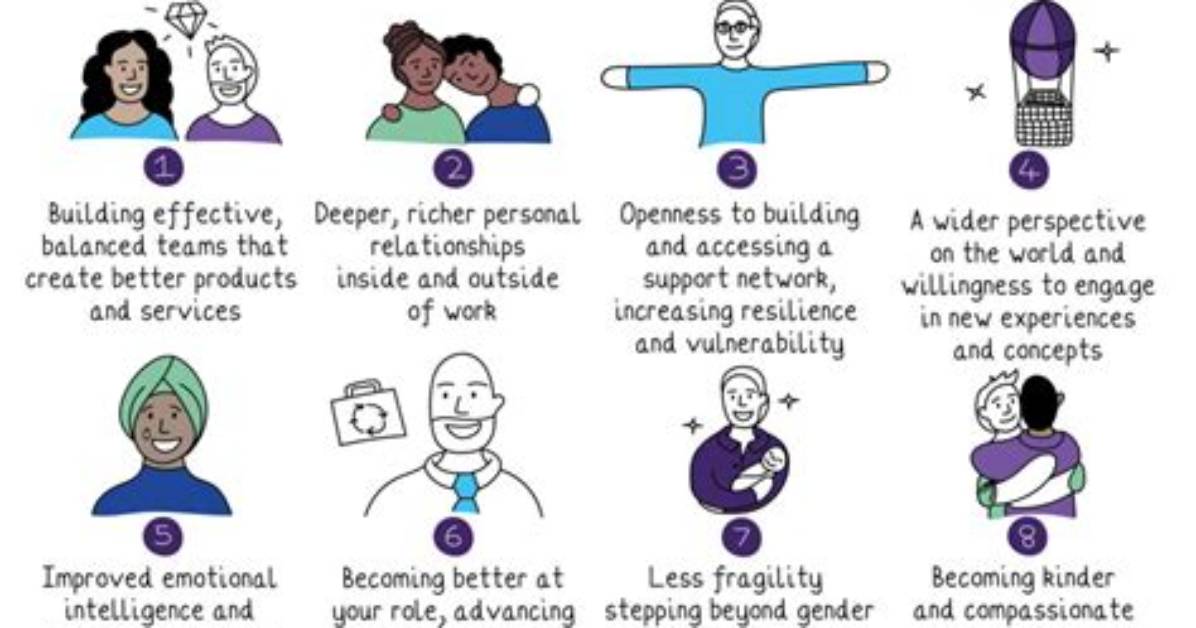
In the ever-evolving landscape of gender equality, the concept of male allyship has emerged as a crucial element in promoting women's rights and addressing systemic inequalities. Male allyship refers to the support and advocacy that men provide to women and marginalized genders, recognizing their privilege and using it to uplift others. This collaborative approach not only enhances the fight for equality but also fosters a culture of understanding and respect among genders.
As society increasingly acknowledges the importance of diverse perspectives, male allyship stands out as a vital contribution to creating inclusive environments. Men who actively engage in allyship challenge traditional gender norms and stereotypes, paving the way for a more equitable world. They become instrumental in addressing issues such as workplace discrimination, gender-based violence, and social injustices that disproportionately affect women and marginalized communities.
Understanding the essence of male allyship allows us to explore its various facets, including the responsibilities it entails, the impact it can have, and how men can effectively engage in this movement. By fostering dialogue and awareness, male allies can contribute meaningfully to the ongoing struggle for gender equality, ensuring that all voices are heard and valued.
What is Male Allyship?
Male allyship encompasses the active participation of men in advocating for gender equality and supporting women's rights. It involves recognizing one's privilege and using it constructively to challenge discrimination and bias. Male allies can take various forms, from advocating for policies that support gender equality in the workplace to standing up against sexist remarks in social settings.
Why is Male Allyship Important?
Male allyship plays a significant role in breaking down gender barriers and creating a more inclusive society. Here are some reasons why it is essential:
- Enhances the conversation around gender equality.
- Provides support to marginalized communities.
- Challenges harmful stereotypes and norms.
- Encourages men to take responsibility for their actions.
How Can Men Become Effective Allies?
Becoming an effective male ally requires commitment and a willingness to learn. Here are a few steps men can take:
- Listen actively to women's experiences and perspectives.
- Educate themselves on gender issues and systemic inequalities.
- Speak out against sexism and discrimination.
- Support policies that promote equality and inclusion.
What Challenges Do Male Allies Face?
While the journey of male allyship is commendable, it is not without challenges. Some common obstacles include:
- Fear of being misunderstood or criticized.
- Struggling to navigate conversations about privilege.
- Facing resistance from other men.
- Balancing allyship with personal identity and experiences.
Who Are Some Notable Male Allies?
Many influential figures have embraced male allyship, using their platforms to advocate for gender equality. One such individual is actor and activist Patrick Stewart.
| Name | Born | Profession | Notable Contributions |
|---|---|---|---|
| Patrick Stewart | July 13, 1940 | Actor, Director | Advocacy for gender equality, anti-violence campaigns |

