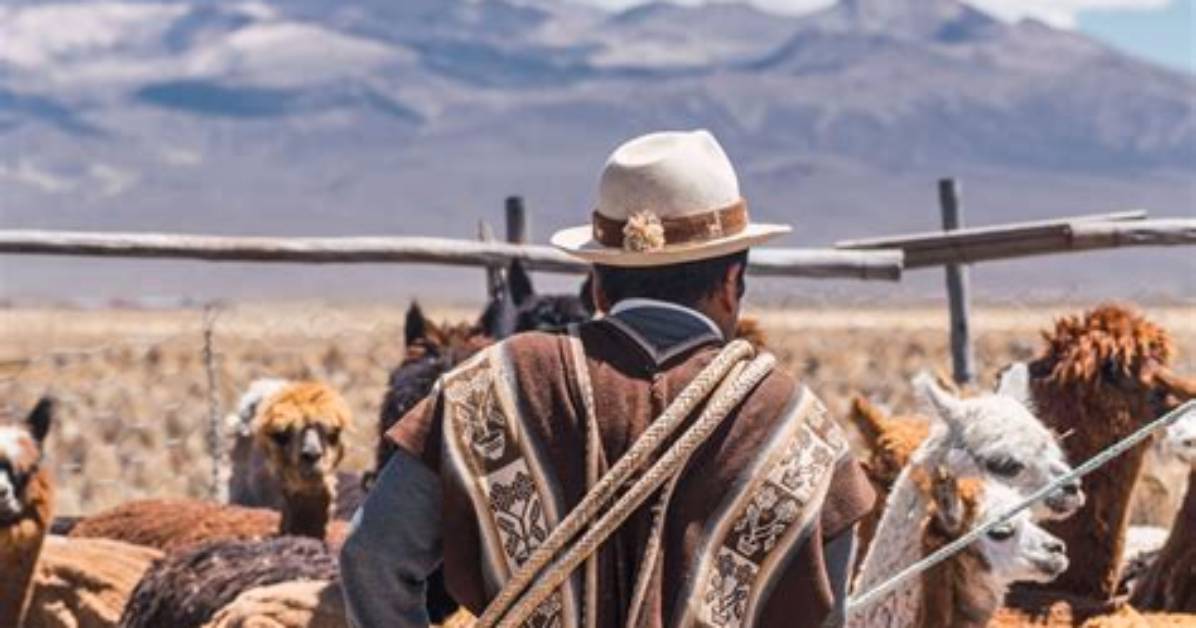
Lamento Bolivia is a phrase that resonates deeply with the cultural landscape of Bolivia, encapsulating the emotions, history, and struggles of its people through music. The term "lamento" translates to "lament," and in the context of Bolivian music, it reflects a profound sense of sorrow and longing. This genre often serves as a poignant reminder of the country's rich tapestry of traditions and the resilience of its inhabitants against the backdrop of historical challenges. As we delve into the significance of Lamento Bolivia, we uncover not just the melodies but the very soul of a nation.
The music of Lamento Bolivia is not merely an artistic expression; it is a narrative that tells the stories of generations. It is intertwined with the daily lives of the Bolivian people, echoing their joys, sorrows, and struggles. The songs often draw from indigenous influences, blending traditional sounds with modern interpretations. This fusion not only preserves the heritage of Bolivia but also allows new generations to connect with their roots in a contemporary context. The beauty of Lamento Bolivia lies in its ability to transcend time, making it relevant to both the past and the present.
As we embark on this exploration of Lamento Bolivia, we will seek to answer some compelling questions: What are the origins of this poignant musical form? How does it reflect the socio-political landscape of Bolivia? What role do prominent artists play in shaping its future? Join us as we unravel the layers of emotion and culture embedded in the Lamento Bolivia, discovering the stories that dwell within its haunting melodies.
What is the Origin of Lamento Bolivia?
The origins of Lamento Bolivia can be traced back to the rich cultural heritage of the indigenous communities in Bolivia. Traditional music has always been a vital part of their social fabric, serving various purposes, from ceremonial rituals to storytelling. The lamentation aspect often arises from the historical struggles faced by these communities, including colonization, social injustices, and economic hardships. Over the years, various musical styles have influenced Lamento Bolivia, incorporating elements from Andean, Spanish, and African traditions.
How Does Lamento Bolivia Reflect the Socio-Political Landscape?
Lamento Bolivia serves as a powerful voice for the marginalized and oppressed. Many songs address issues such as poverty, inequality, and the loss of cultural identity. Artists use their music as a form of protest and resistance, bringing attention to social injustices and calling for change. The poignant lyrics often evoke strong emotions, allowing listeners to connect with the struggles portrayed in the songs.
What Role Do Prominent Artists Play in Lamento Bolivia?
Prominent artists in the Lamento Bolivia genre play a crucial role in keeping the tradition alive while evolving its sound. They often blend traditional music with contemporary styles, making the genre accessible to younger audiences. Notable musicians have emerged from this scene, using their platforms to raise awareness about social issues and preserve the cultural heritage of Bolivia. These artists act as cultural ambassadors, bridging the gap between the past and the future.
Who Are the Key Figures in Lamento Bolivia?
Several key figures have significantly contributed to the Lamento Bolivia genre, each bringing their unique style and perspective. Among them are renowned musicians and composers who have dedicated their lives to this art form. Their work not only showcases the beauty of Bolivian music but also highlights the resilience of its people.
| Name | Born | Notable Works | Influences |
|---|---|---|---|
| Los Kjarkas | 1970 | “Lamento”, “El Cóndor Pasa” | Andean Folk, Bolivian Folklore |
| Alberto Cortez | 1940 | “Lamento de los Abuelos”, “Te Quiero” | Latin American, Folk |
| Wara | 1982 | “Despertar”, “La Vida” | Rock, Fusion |
How Is Lamento Bolivia Celebrated Today?
Today, Lamento Bolivia is celebrated through various cultural events, festivals, and music concerts. These gatherings provide a platform for artists to showcase their work and connect with audiences. The appreciation for Lamento Bolivia is growing both nationally and internationally, as more people recognize the emotional depth and cultural significance of this music. Educational programs and workshops further contribute to the preservation of this art form, ensuring that future generations continue to embrace their heritage.
Why Is Lamento Bolivia Important for Future Generations?
Lamento Bolivia holds immense importance for future generations as it fosters a sense of identity and belonging among the youth. By engaging with this music, they can learn about their history, culture, and the struggles faced by their ancestors. Preserving Lamento Bolivia becomes essential not only for cultural continuity but also for instilling values of resilience, empathy, and social responsibility.

