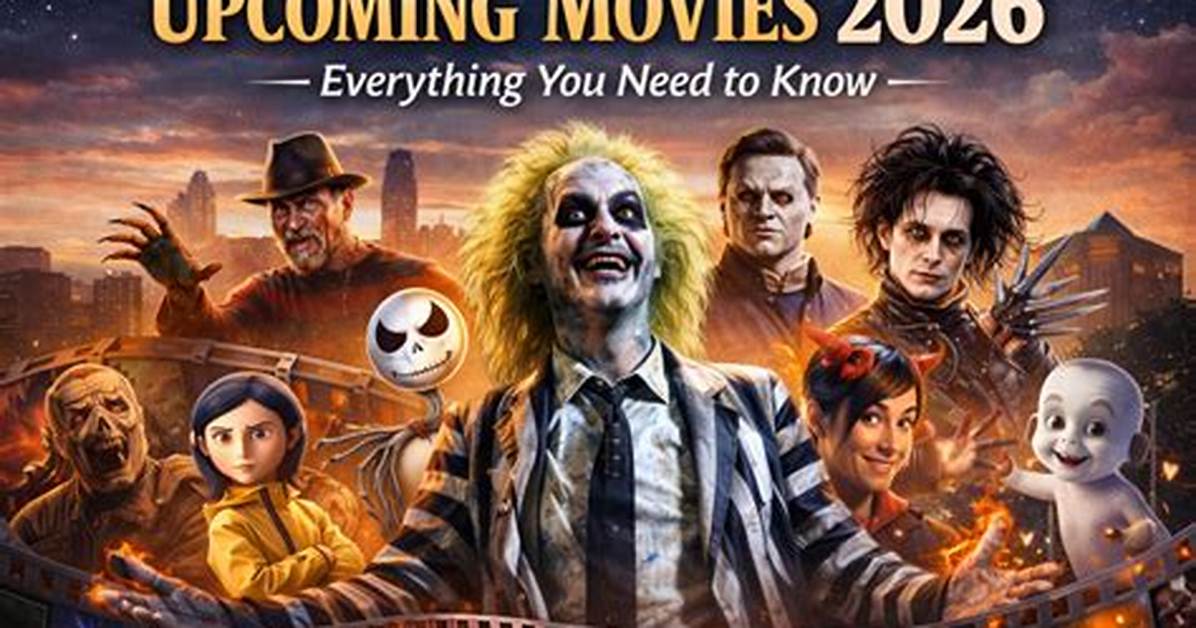
Movies have been a critical part of our culture and entertainment for over a century. They are not just a means of escape but also a powerful medium for storytelling that reflects society, emotions, and the human experience. This article will delve deep into the world of movies, covering various aspects, including their history, genres, production, and the impact they have on our lives. Whether you're a movie buff or someone who enjoys the occasional film, this guide will provide you with valuable insights into the cinematic universe.
In this comprehensive guide, we will explore the evolution of movies, the different genres available, and the filmmaking process that brings these stories to life. Additionally, we will look at how technology has transformed the movie industry, the significance of film festivals, and the role of streaming services in shaping modern cinema. Our aim is to provide you with an engaging and informative overview of movies that will enhance your appreciation for this art form.
By the end of this article, you will have a better understanding of movies and their multifaceted nature. We'll also provide you with resources and recommendations to further explore this captivating world. So, sit back, relax, and join us on this cinematic journey!
1. History of Movies
The history of movies dates back to the late 19th century, with the invention of the motion picture camera. The first film is often credited to the Lumière brothers, who screened their short films in Paris in 1895. The early years of cinema were characterized by silent films, where actors conveyed emotions through exaggerated expressions and gestures.
As technology advanced, sound was introduced, leading to the creation of "talkies" in the late 1920s. This revolutionized the industry and allowed for more dynamic storytelling. Over the decades, movies evolved through various artistic movements, such as German Expressionism in the 1920s, the Golden Age of Hollywood in the 1930s and 1940s, and the New Hollywood era in the 1960s and 1970s.
Today, movies are a global phenomenon, with filmmakers from all around the world contributing to the art form. From blockbusters to indie films, the movie industry continues to thrive, reflecting the diverse narratives and cultures that shape our lives.
2. Genres of Movies
Movies can be categorized into various genres, each offering unique storytelling styles and themes. Some of the most popular genres include:
- Action: High-energy films featuring intense physical stunts and chases.
- Drama: Focused on character development and emotional narratives.
- Comedy: Aims to entertain and amuse, often through humor.
- Horror: Designed to evoke fear and suspense, often featuring supernatural elements.
- Science Fiction: Explores futuristic concepts, technology, and the unknown.
- Romance: Centers around love stories and relationships.
- Documentary: Non-fiction films that depict real-life events and subjects.
Sub-genres of Movies
Within each genre, there are numerous sub-genres that cater to specific tastes:
- Action-Comedy: A blend of action and humor, often featuring comedic characters in thrilling situations.
- Psychological Thriller: Focuses on the mental and emotional states of characters, creating tension and suspense.
- Musical: Integrates songs and dance sequences into the narrative.
- Biographical: Depicts the life of a real person, showcasing their achievements and struggles.

