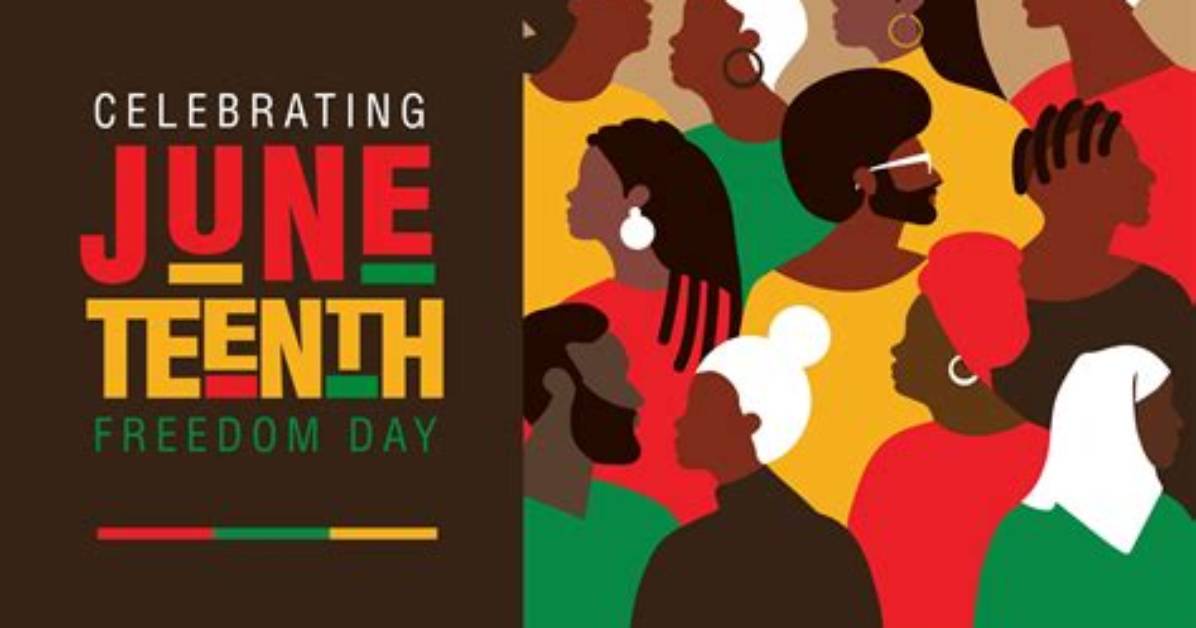
The History of Juneteenth
Juneteenth traces its origins to June 19, 1865, when Union General Gordon Granger arrived in Galveston, Texas, to announce the end of the Civil War and the freedom of enslaved people. This announcement came over two years after President Abraham Lincoln issued the Emancipation Proclamation, which had declared all enslaved people in Confederate states to be free. The delay was due to a combination of factors, including slow communication, resistance from slaveholders, and the ongoing Civil War.
The proclamation issued by General Granger, known as General Order No. 3, informed the people of Texas that all enslaved individuals were free and that they had equal rights and responsibilities as their former masters. This moment marked a significant turning point in American history, as it signaled the end of slavery in the United States, at least in legal terms.
In the aftermath of Juneteenth, newly freed African Americans faced numerous challenges as they sought to establish themselves in a society that was not yet ready to accept them as equals. Despite these obstacles, Juneteenth became a day of celebration, reflection, and community gathering. It provided an opportunity for African Americans to come together, honor their ancestors, and celebrate their freedom and achievements.
Over the years, Juneteenth celebrations have evolved, incorporating various cultural and regional elements. The holiday has spread beyond Texas, gaining recognition and significance across the United States. Today, Juneteenth stands as a symbol of the enduring struggle for equality and justice, reminding us of the resilience and strength of African American communities throughout history.
The Significance of Juneteenth 2024
As we approach Juneteenth 2024, the holiday holds renewed importance in the context of ongoing social and racial justice movements. It serves as a reminder of the progress that has been made, as well as the work that remains to be done in achieving true equality for all individuals, regardless of race or background.
In recent years, Juneteenth has gained greater visibility and recognition, culminating in its designation as a federal holiday in 2021. This recognition represents a significant milestone in acknowledging the historical and cultural contributions of African Americans to the United States. It also highlights the importance of understanding and addressing the complex legacy of slavery and its lasting impact on American society.
Juneteenth 2024 provides an opportunity for individuals and communities to come together in the spirit of reflection, education, and celebration. It encourages us to engage with history, explore the diverse experiences and perspectives of African Americans, and foster dialogue and understanding across cultural and racial divides.
Moreover, Juneteenth 2024 serves as a call to action, prompting us to consider how we can contribute to a more equitable and inclusive future. Whether through advocacy, education, or community involvement, there are numerous ways to honor the legacy of Juneteenth and work towards a society that values and respects all individuals.

