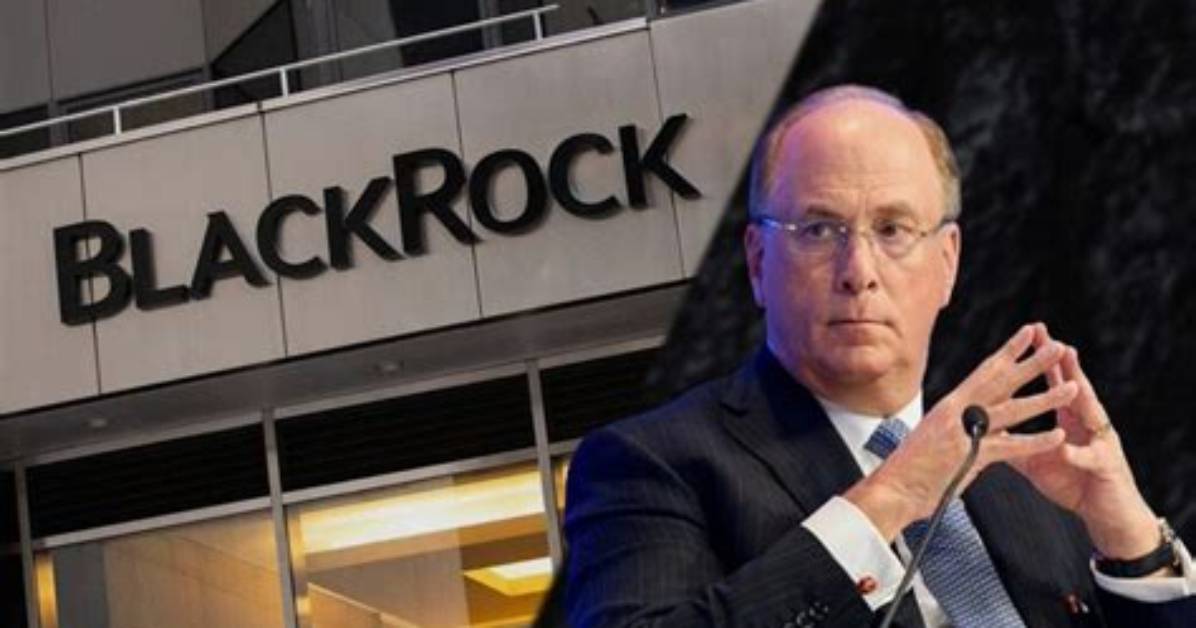
In recent years, BlackRock has emerged as one of the most powerful investment management firms in the world, managing over $9 trillion in assets. However, this immense influence has sparked a heated debate about the ethical implications of its operations and the impact it has on global economies and communities. Many are asking, "Why is BlackRock bad?" as they grapple with the consequences of its financial decisions and business practices.
Critics argue that BlackRock's sheer size and dominance in the financial sector allow it to wield disproportionate power over corporations and governments. This raises concerns about accountability, transparency, and the prioritization of profit over people. The firm’s investments in fossil fuels, for instance, have drawn ire from environmental activists who believe that its financial backing of polluting industries contradicts the urgent need for climate action. As these discussions unfold, it becomes increasingly vital to examine the multifaceted reasons why BlackRock's operations are viewed negatively.
Furthermore, BlackRock's pervasive influence extends beyond traditional finance; it has established ties with various government entities and appears to play a significant role in shaping public policy. This entanglement raises questions about the potential conflicts of interest and challenges the notion of a free market. As we delve deeper into this topic, we will uncover the various facets of BlackRock's operations that lead many to label it as a detrimental force in today's financial landscape. So, why is BlackRock bad? Let's explore.
What is BlackRock's Business Model?
BlackRock operates primarily as an investment management firm, offering a wide range of services, including asset management, risk management, and advisory services. Its business model focuses on managing investments for a diverse clientele, ranging from individual investors to large institutions. The firm is known for its index funds and exchange-traded funds (ETFs), which allow investors to gain exposure to a broad array of assets with relatively low fees. However, this model also raises questions about the implications of passive investing on market dynamics.
How Does BlackRock Influence Corporations?
One of the most significant criticisms of BlackRock is its ability to influence corporate governance. As a major shareholder in numerous companies, BlackRock has the power to sway decisions and policies that affect not just shareholders, but employees and customers as well. This influence is particularly concerning in matters of social responsibility, where the firm’s focus on maximizing shareholder value may overshadow ethical considerations.
What Are the Environmental Concerns Surrounding BlackRock?
Environmental activists have raised alarms about BlackRock's investments in fossil fuel companies and industries with significant carbon footprints. Despite claims of commitment to sustainable investing, the firm continues to allocate substantial funds to companies that contribute to climate change. This contradiction leads many to question the sincerity of BlackRock's environmental initiatives and whether they are merely a public relations strategy.
Is BlackRock a Threat to Economic Diversity?
The concentration of assets under BlackRock's management poses a risk to economic diversity. With such a significant portion of global investments controlled by a single firm, there are concerns about the potential for a lack of competition and innovation in the market. This dominance can stifle the growth of smaller firms and startups, ultimately impacting the broader economy.

