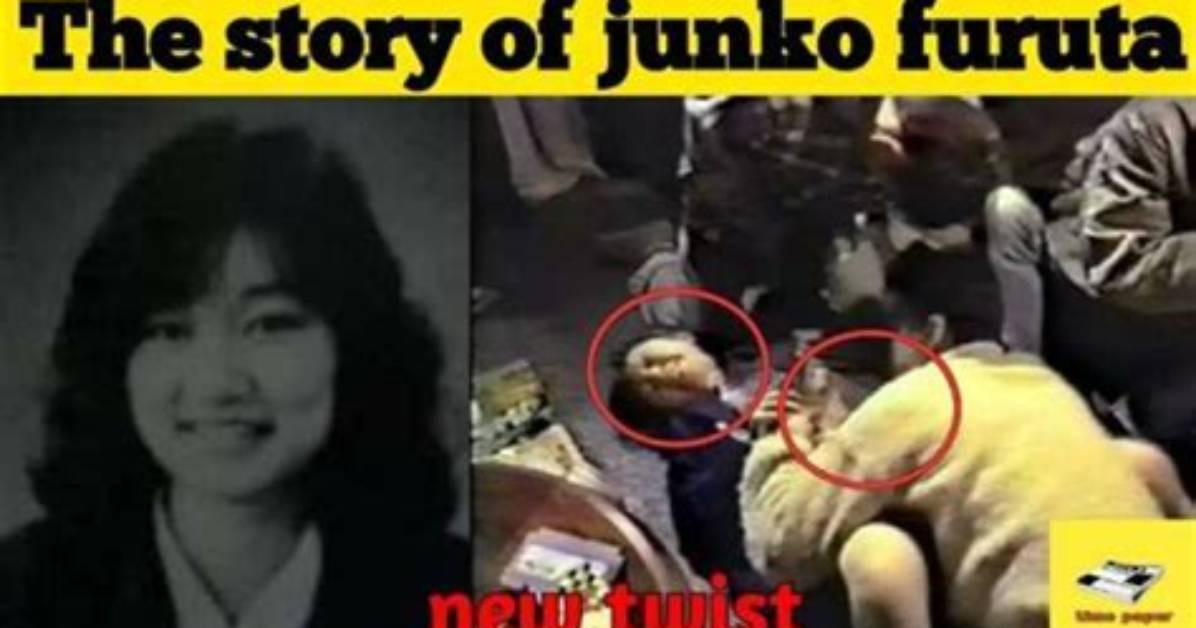
So here we are, diving into one of Japan's darkest and most chilling stories. Junko Furuta—a name that sends shivers down the spines of many who know about it. This ain't just some random tale; it's a haunting reminder of the darkest corners of human nature. Brace yourself because this story is heavy, raw, and filled with emotions that’ll leave you speechless. Let's get started, shall we?
You might’ve heard bits and pieces about this case before, but trust me, there’s so much more to uncover. It’s not just about the events themselves—it’s about the impact they’ve had on Japanese society, how they’ve shaped laws, and why this story continues to haunt people even decades later. This isn’t your typical crime story; it’s a deep dive into the psyche of both victim and perpetrator.
This article aims to shed light on the truth behind Junko Furuta’s tragic story while ensuring we provide accurate, respectful, and insightful information. We’ll explore every angle, from the historical context to the psychological implications, and everything in between. So grab a cup of coffee or tea, settle in, and let’s unravel this harrowing narrative together.
Junko Furuta: A Brief Biography
Let’s start with who Junko Furuta was before her world turned upside down. Born on January 8, 1970, Junko was an ordinary high school student living in Ikeda City, Osaka. She had dreams, aspirations, and a life ahead of her. But all that changed on November 25, 1988. That night, everything took a dark turn, leading to one of the most infamous crimes in Japanese history.
Biographical Information
| Name | Junko Furuta |
|---|---|
| Birthdate | January 8, 1970 |
| Place of Birth | Osaka, Japan |
| Occupation | High School Student |
| Date of Incident | November 25, 1988 |
| Date of Death | December 14, 1988 |
Her Life Before the Incident
Junko lived a pretty normal life for a teenager back then. She attended school, hung out with friends, and enjoyed hobbies like many others her age. Her family wasn’t wealthy, but they were close-knit. No one could’ve predicted what would happen to her that fateful night. Life was good until it wasn’t.
Overview of the Case
On November 25, 1988, four male high school students abducted Junko Furuta after luring her to an abandoned house under the pretense of discussing a school project. What followed was unimaginable—a 44-day ordeal of torture, rape, and eventual death. The details are gruesome, and even now, decades later, they continue to shock those who learn about them.
This case isn’t just about the brutality of the crime; it’s about the failures of the system that allowed such a thing to happen. It’s about the lack of proper laws protecting minors at the time and the societal factors that contributed to the perpetrators’ actions.
Why This Case Still Matters
Even today, this story resonates deeply within Japanese culture. It serves as a grim reminder of the importance of strengthening legal protections for young people and addressing the root causes of violent behavior. The case also highlights the need for better education and awareness around consent, boundaries, and empathy.

